What are SEO Services?
The Ultimate Guide for Business
SEO (Search Engine Optimization) services are typically offered by specialized digital marketing agencies, freelancers, or in-house marketing teams, and are designed to enhance a website's visibility and ranking on search engine results pages (SERPs). Strategic SEO plans encompass various components such as keyword research, on-page optimization, content creation, link building, and technical SEO.
The overall goal is to optimize a website's structure and content to align with search engine algorithms, improving its chances of appearing higher in relevant search queries. SEO services aim to increase organic traffic, enhance online presence, and drive potential customers to a website, contributing to long-term, sustainable growth for businesses in the online landscape.
In this article, we'll dive into what ROI looks like from SEO services, how to find a great SEO company, and what to look for in their service offerings.
What is SEO, and how do search engines work?
SEO stands for Search Engine Optimization. It's the practice of improving a website's visibility in search engine results pages (SERPs) for relevant searches. The goal is to attract more organic traffic, which means users find your website through search engines without any paid advertising.
Search engines are platforms that allow users to search for information on the internet. They use complex algorithms to analyze and index web pages, making it easier for users to find relevant content. Some popular search engines include Google, Bing, and Yahoo. These platforms each have their own algorithms and ranking factors, making it important to have a team of specialized professionals who know how to adapt and optimize strategies accordingly.
Google is the most widely used search engine globally, processing billions of search queries every day and providing comprehensive and relevant search results—with most SEO efforts tailored to optimize for Google's Search Quality Raters, web crawlers, and algorithms.
Google is the most widely used search engine globally, processing billions of search queries every day and providing comprehensive and relevant search results—with most SEO efforts tailored to optimize for Google's Search Quality Raters, web crawlers, and algorithms.
Here's a high-level breakdown of how SEO works:
- Understanding user intent: This involves figuring out what users are searching for and why. By understanding their needs, you can create content that addresses their specific questions and interests.
- Optimizing content: This includes using relevant keywords throughout your website, creating high-quality content that is informative and engaging, and ensuring your website is mobile-friendly and easy to navigate.
- Building Trust and Authority Through Backlinks: Backlinks are links from other websites to yours. Search engines consider websites with more backlinks to be more authoritative and relevant, which can help improve your ranking. The overall importance of quality backlinks cannot be understated in a holistic SEO strategy.
Overall, SEO is an ongoing process that requires consistent effort and adaptation. It's important to stay up-to-date with the latest search engine algorithms and trends to maintain a good ranking and attract organic traffic.
What is an Organic Search Rating?
An organic search ranking refers to the place or position of a particular website in the unpaid listings of a search engine results page (SERP). These results are displayed based on the search engine's assessment of a website's relevance to the user's query and its adherence to various search engine optimization (SEO) factors.
Achieving a high organic search ranking means that your website is likely to appear near the top of the unpaid search results when someone searches for relevant terms. This can be crucial for driving organic traffic to your website, as the top 3 organic search results receive more than two-thirds (68.7%) of the available clicks.
4 reasons why SEO is important for businesses
1. Free and Sustainable Website Traffic:
Unlike paid advertising, SEO generates organic traffic, which means visitors find your website through unpaid search results. This translates to cost-effective customer acquisition compared to constantly paying for ad clicks. Additionally, websites that are well-optimized, mobile-first, and fast tend to maintain their ranking over time, providing a sustainable flow of traffic—as long as you keep your content relevant and engaging.
2. Target the Right Audience:
SEO allows you to target specific search terms relevant to your products or services. By understanding your target audience's search intent and incorporating those keywords strategically, you attract highly qualified leads who are already interested in what you offer. This increases the likelihood of conversions (sales, sign-ups, etc.) compared to generic marketing strategies.
3. Build Brand Authority and Trust:
Ranking high in search results signifies credibility and expertise to potential customers. This boosts brand trust and positions your business as a leader in your industry, making you a more attractive option compared to competitors with lower rankings.
4. Long-Term Benefits:
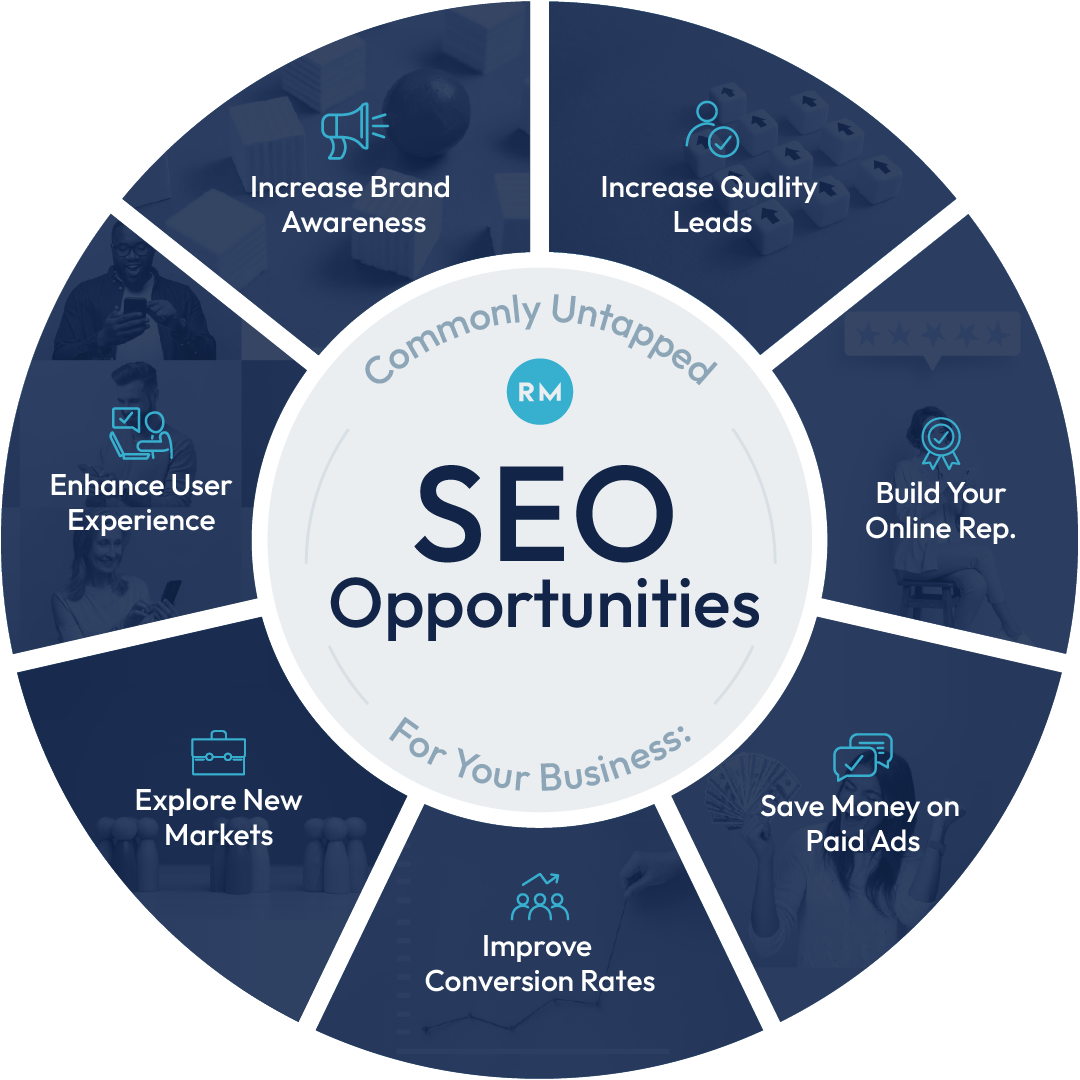
Investing in SEO brings long-term benefits that go beyond just website traffic. The best SEO practices go hand-in-hand with improved website user experience (UX), faster loading times, and a mobile-friendly design. This not only enhances user engagement but also contributes to better brand perception and potentially increased customer loyalty.
Imagine attracting your ideal customers for free, building trust, and becoming an industry leader all at the same time. That's the power of SEO.
By optimizing your website, you organically attract people searching for what you offer. This targeted traffic of interested individuals increases the chance of conversions (sales, signups, etc.), ultimately boosting your business goals.
Think of SEO as a long-term investment. While it does require ongoing effort, it's like planting a seed—with consistent care, you'll reap the rewards of increased brand awareness, trust, and ultimately, success.
How does SEO work?
SEO works by conducting thorough keyword research to pinpoint common user search terms and strategically integrating them into various elements of website content. There are dozens of website characteristics search engines like Google use to understand a website’s information. By effectively optimizing existing content and developing new material for potential website visitors, search engines can show a website across a myriad of terms, which leads to increased website traffic and sales.
Implementing other SEO tactics like building authoritative backlinks, ensuring technical aspects of the website are optimized for performance and crawl-ability, as well as prioritizing user experience with fast loading times and mobile responsiveness improves Google’s ability to index information and makes enhanced user navigation and better engagement possible.
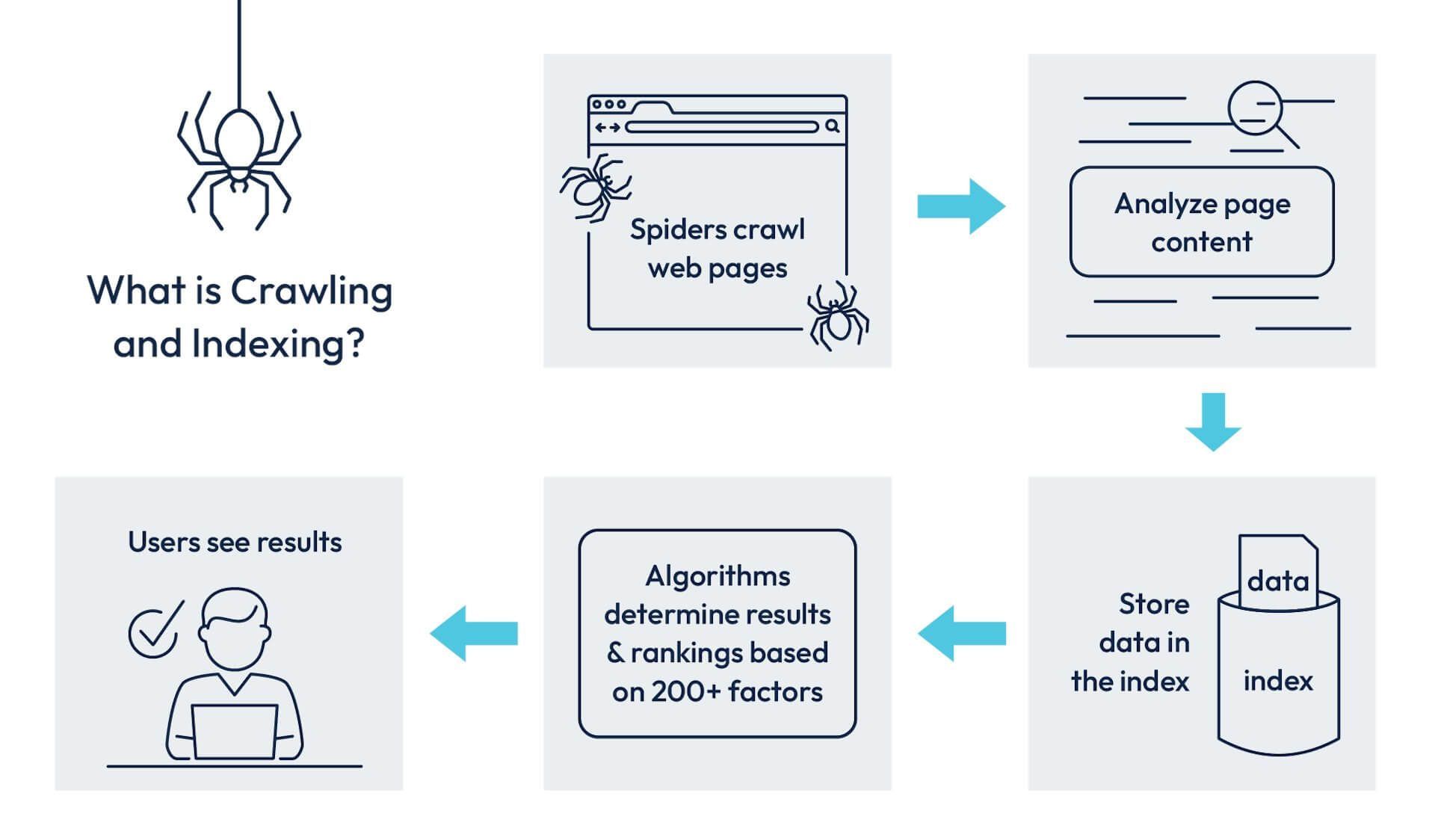
The basics of Website Crawling and Indexing
For websites to appear on search engines, their content must be crawled and indexed. Without these two components, search engines would likely not exist!
What is Search-Engine Crawling?
Search engines deploy specialized software known as web crawlers, often referred to as 'spiders,' “robots’, and ‘bots’ to locate new pages and gather information about them. These crawlers aim to discover new web pages and periodically review previously visited pages to check for updates or changes.
Search engines crawl web pages by following links they've already found. For example, if you have a blog linked from your homepage, when a search engine crawls your homepage, it will subsequently search for other links and may follow the link to your new blog post. This process happens not only from page to page on a given website, but also from website to website through the links they share, also known as backlinks.
What is Search Engine Indexing?
Indexing is the process where a search engine evaluates the content it has crawled to determine its relevance and usefulness. If a web page meets the criteria established by the search engine, it is added to its index for future retrieval and display in search results.
Most web pages providing unique and valuable content are included in the index. A web page may not be included in the index if it is considered duplicate, low-value, 'spammy', lacks inbound or internal links to other pages on your website, or couldn't be crawled.
Improving your
Web Page Rankings on a SERP
Improving website rankings requires a variety of tactics including comprehensive keyword research, strategically incorporating keywords into relevant content, and optimizing on-page elements like title tags, headers, and body copy. SERP results can also be affected by off-page SEO strategies such as building authoritative backlinks that contribute to credibility and trustworthiness, aligning with Google's evaluation criteria, including the EEAT framework (Experience, Expertise, Authoritativeness, and Trustworthiness).
Prioritizing user experience by ensuring fast loading times and mobile responsiveness, monitoring website performance with tools like Google Analytics 4, and staying updated on Google algorithm changes are also essential practices for maintaining competitiveness in SEO. Given the dynamic nature of Google's algorithm, adapting strategies accordingly is crucial for sustained success.
SEO Expert tip:
To verify whether pages on your website have been indexed by Google, simply search 'site:yourdomain.com' in the search bar. This displays pages that have been both crawled and indexed by Google’s bots. This method is a great quick test, however, it will not show every URL of your site that Google has indexed. For a complete report, you can refer to the 'Index Coverage report' in your Google Search Console property if you have one.
Why use SEO services instead of doing SEO yourself?
Professional SEO services offer several advantages over attempting SEO yourself. Great SEO services are designed to close the gap on competitors or maintain your lead by continuously adapting to the evolving search algorithms and search trends of your target audience. With quantifiable results and
long-term benefits, SEO becomes not just a marketing expense but a strategic business investment. Ultimately, SEO services offer a pathway for companies to effectively navigate the digital landscape, reach their target audience, and achieve sustainable growth in today's competitive market.
9 Benefits of
SEO Services:
- Enhanced online visibility and brand recognition
- Establishment of trust and credibility among the target audience & Google
- Understanding consumer intent and behavior for informed decision-making
- Improved user experience leading to higher engagement and conversions
- Increased website traffic, particularly from local searches
- Adaptation to evolving search algorithms and industry trends
- Competitive edge in the digital marketplace
- Opportunity for sustainable growth and expansion
- Alignment with modern consumer preferences and behaviors
Want to know if your website is optimized for Technical SEO?

What are the types of SEO Services?
Understanding the different types of SEO services is an essential step for reaching your target audience. Whether you are hoping to have your business appear locally, reach audiences across the country, or sell products online through e-commerce, it's crucial to tailor your SEO strategy to meet your specific goals and objectives. Not only can an SEO strategy be targeted by business goals, it can also be narrowed down by industry, like SEO for plumbers or chiropractors. Some SEO companies even specialize in different website platforms and offer SEO services for Duda websites or WordPress and Hubspot.
In this section, we'll explore the different types of SEO services, and help you understand which type will be best for your business and why.
Local SEO
Local SEO focuses on improving a business' visibility in local search results, helping them connect with nearby customers versus a national audience. It involves optimizing online presence to appear in searches with local intent, such as "restaurants near me" or "plumbers in [city]."
So how does this work? Local SEO involves optimizing your Google Business profile, managing listings in online directories, creating localized content with location-specific keywords, and managing online reviews and reputation. By ensuring accurate business information, tailored content, and positive reviews, businesses can improve visibility not only in location-specific organic search results but also in the Google 3 pack, the top three local listings for your business-type, and even rankings on Google maps, increasing the likelihood of attracting nearby customers.
Local SEO benefits businesses looking to get foot traffic or service-based businesses that serve a local market. Some examples of these types of businesses can include restaurants, doctor’s offices, retail stores, etc. Additionally, multi-location businesses such as franchises and chain stores can optimize each location's visibility. Local SEO can also support service area businesses like plumbers and electricians looking to target customers within their service radius effectively.
National SEO
National SEO involves optimizing a website to rank for high-volume, competitive keywords related to the business' industry and target audience. Key strategies include conducting extensive keyword research, optimizing website content with these keywords, building authoritative backlinks, and developing comprehensive content marketing strategies across multiple channels.
So what types of businesses would benefit from a National SEO approach? The short answer is any business that does not need to meet customers or clients face-to-face. Financial institutions, software companies, media companies, educational institutions, healthcare providers, and online retailers are just a few examples of businesses that can benefit significantly from a National SEO approach. By optimizing their online presence to target a broader audience, these businesses can increase their visibility, attract more traffic, and drive growth on a national scale.
E-commerce SEO
For businesses selling products through their website, e-commerce SEO should be the most important marketing tool within your business. E-commerce SEO works by optimizing online stores and their product or collection pages to rank higher in search engine results. The idea is simple: by showing up higher in search results, businesses increase visibility to consumers ready to make a transaction, thereby boosting the likelihood of purchases on their website. This involves keyword research, on-page optimization, technical SEO, UX optimization, content creation, link building, and continuous monitoring and analysis to drive targeted traffic and increase conversions.
B2C vs. B2B SEO
Regardless of whether your business is B2B or B2C, SEO can significantly improve its online visibility and attract more relevant traffic. Let's take a look now at how to optimize your website depending on the type of consumer your business looks to target. In this section, we will explain what B2B & B2C SEO might look like.
B2C SEO:
B2C SEO focuses on optimizing a business' online presence to attract and engage individual consumers. This involves strategies aimed at driving direct sales and increasing brand awareness among the general public. B2C SEO often emphasizes visual content, user-friendly website design, and emotional appeals to connect with consumers on a personal level. The primary goal is to drive conversions and foster customer loyalty.
B2B SEO:
In contrast, B2B SEO is geared towards businesses selling products or services to other businesses. B2B SEO strategies focus on building credibility, trust, and authority within a specific industry or niche. This may involve targeting specific keywords relevant to industry professionals, providing in-depth content such as whitepapers and case studies, and establishing thought leadership through blog posts and industry insights. The objective is to generate leads, nurture business relationships, and drive long-term partnerships.
SEO Audit Services
At RivalMind, our comprehensive approach uncovers valuable insights to enhance your website's performance and drive strategic growth. If you’re wondering why your website isn’t driving traffic, this is a great first step to earning the rankings your business deserves. We can gather different metrics like keyword rankings, page loading speed, and the number of visitors coming to your site and its specific pages for example. Our process provides clients with a complete understanding of their website’s performance and what it needs to improve.
After evaluating your website’s current performance, our audit process identifies specific optimization suggestions for existing pages on your website, and also new content creation. Whether it's additional service or location pages to expand your reach or new blog topics to captivate new audiences, our insights lay the foundation for strategic content development. By aligning your content strategy with user intent and industry trends, we help you attract targeted traffic and engage your audience effectively.
Curious to see how your website is performing? Start with an SEO Audit.
How much do SEO Services cost?
The cost of SEO services is influenced by various factors, including the pace at which a business aims to grow its online presence. Monthly retainers, the most common pricing model, typically range from a few hundred to several thousand dollars, depending on the level of service and the size of the business.
SEO Pricing:
How much does SEO cost in 2025?
In 2025, the cost of SEO services can vary significantly based on several factors. Monthly retainers, the most common pricing model, can range from $700 to around $2,000-$3,000+ depending on the number of new content pieces and optimizations your business would like completed in a given month.
Project-based pricing may be offered for specific tasks or projects that require additional work that cannot be met in the agreed allotment for a month. Hourly rates may also be implemented for additional optimizations during certain months or to address specific demands as well.
Overall, the cost of SEO services in 2025 is influenced by factors such as the complexity or urgency of the project, and the expertise of the SEO agency. It's essential for businesses to evaluate their goals, budget constraints, and desired level of service when determining the cost of SEO services to achieve their online growth objectives effectively. Download RivalMind’s SEO Pricing Guide for 2025!
How to budget for
search engine optimization services:
When budgeting for search engine optimization (SEO) services, start by defining clear goals and objectives for your SEO strategy, whether it's increasing website traffic, improving search engine rankings, or generating more leads and conversions. Assess your current online presence and identify areas for improvement, considering factors such as the competitiveness of your industry and the resources required to achieve your desired outcomes. How much are your top competitors investing in SEO?
It's also important to note that SEO results do not happen overnight. When done right, SEO is an ongoing process and can take months to even years to yield the results that your business desires. It is not worthwhile for businesses to participate in SEO for only a couple of months.
When searching for an agency, prioritize quality over quantity as with any profession, the expertise and experience of the professionals involved can significantly impact the success of your SEO efforts. Regularly review and adjust your SEO budget based on performance metrics and evolving business needs to ensure continued growth and success in the competitive online landscape.
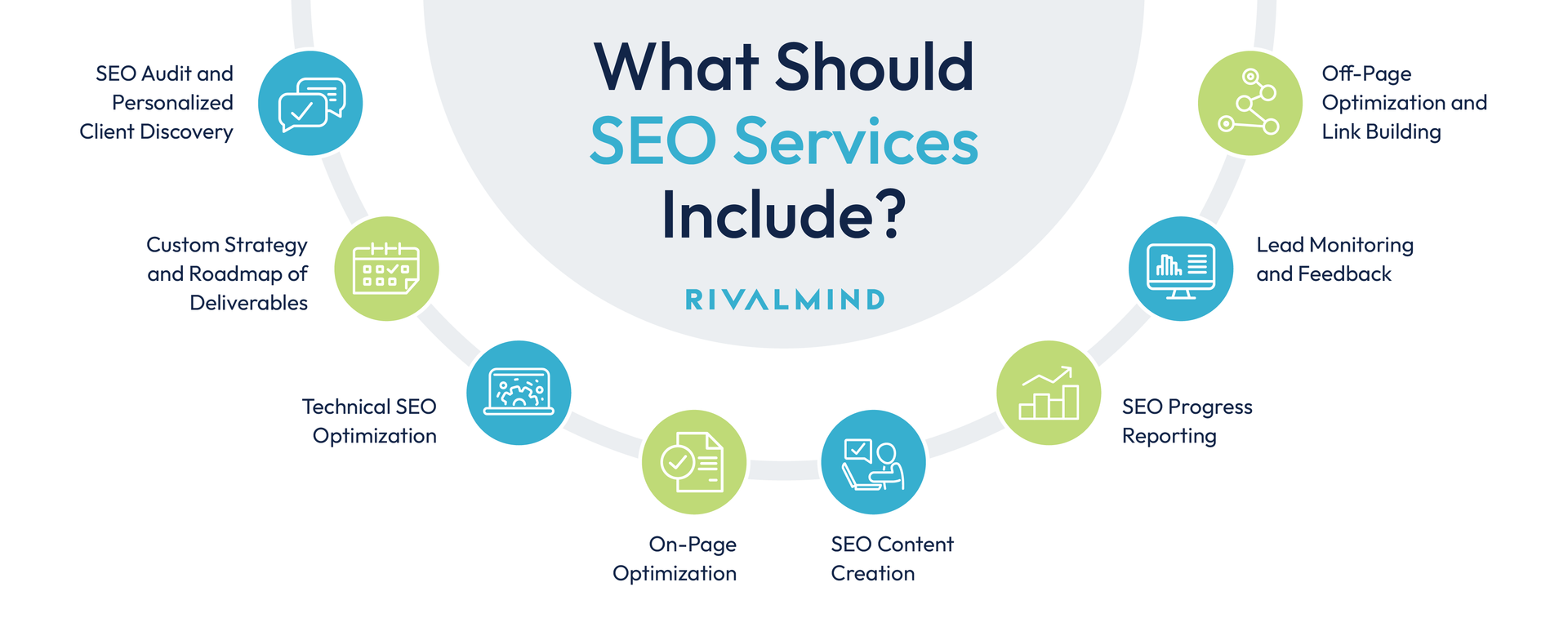
9 Things Great SEO Services Include
A holistic approach to SEO should include a handful of various campaign preparations and tactics! The list below will help you understand everything a reputable SEO service provider will be working on over the course of an engagement.
1. SEO Audit and Personalized Client Discovery
Any effective partnership should begin with a thorough SEO audit and personalized client discovery process. This involves a detailed analysis of the current state of a your business' online presence, identifying strengths, weaknesses, and opportunities. Understanding your business' goals, target audience, and unique selling points is crucial for tailoring SEO strategy to the business' specific needs.
2. Deep Competitor Analysis
In addition to the initial audit, a comprehensive SEO service should include a deep competitor analysis. This involves evaluating competitors' strategies, identifying the keywords they target, and understanding their strengths and weaknesses. This analysis informs the development of a customized strategy that aims to outperform competitors in key areas.
3. Custom Strategy and Roadmap of Deliverables
Your SEO strategy should be unique to you, and not copied from another website in your industry, as well as, include a roadmap of deliverables. This involves outlining the specific actions and tactics that will be implemented to achieve the your SEO goals. The strategy should be aligned with your business objectives, ensuring a focused and results-driven approach to enhance online visibility.
4. Technical SEO Optimization
Technical SEO optimization is a fundamental component of any comprehensive SEO service. This includes optimizing website structure, improving site speed, enhancing mobile responsiveness, and addressing technical issues that may impact search engine rankings. A robust technical foundation ensures search engines can crawl and index the site effectively.
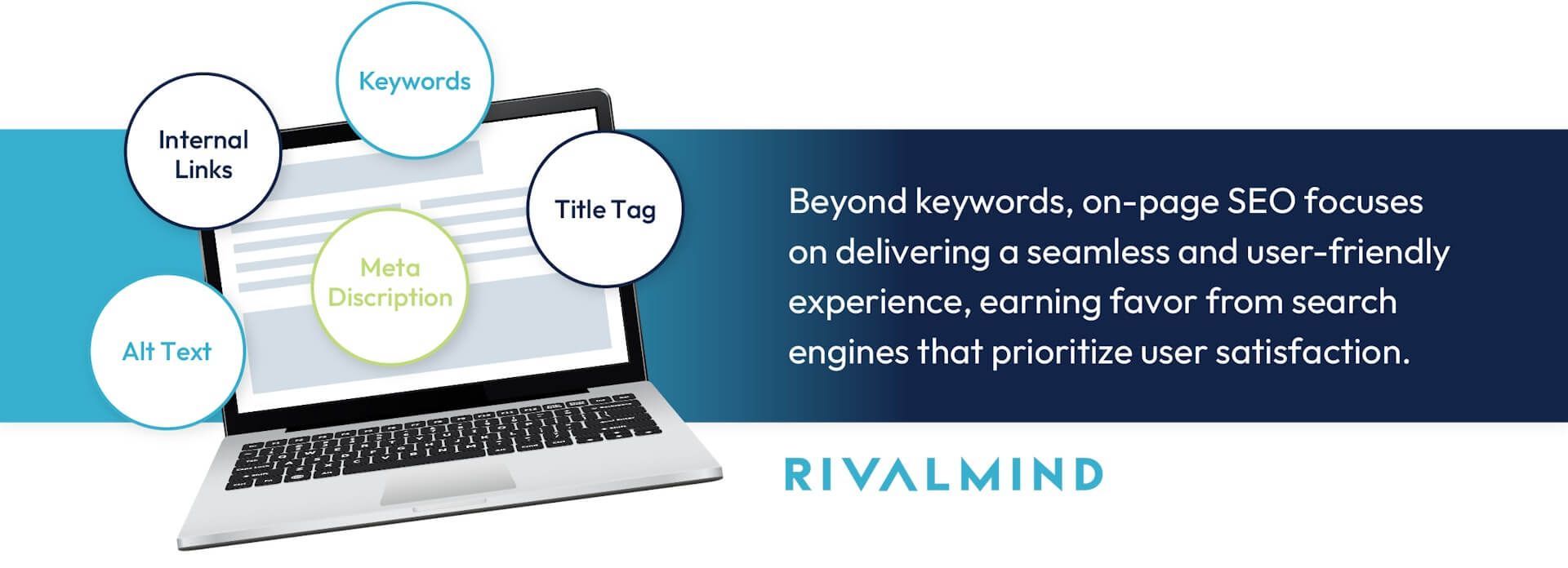
5. On-Page Optimization
On-page optimization focuses on optimizing individual web pages to improve their relevance and visibility for target keywords. This involves optimizing meta tags, headers, content, and multimedia elements. A well-executed on-page optimization strategy enhances the overall quality of the website's content and its alignment with search engine algorithms.
6. Off-Page Optimization and Link Building
Off-page optimization and link-building strategies are essential for building a strong online presence. This involves acquiring high-quality backlinks from reputable sources and citation sites, enhancing the website's authority, and fostering a positive online reputation. Off-page efforts contribute significantly to improved search engine rankings.
7. SEO Content Creation
Content is a cornerstone of SEO. This involves developing high-quality, relevant, and keyword-optimized content that resonates with the target audience. Content creation supports on-page optimization and contributes to a website's authority and credibility.
8. SEO Progress Reporting
Transparency and accountability are crucial in SEO services. Regular progress reporting provides clients with insights into the effectiveness of the implemented strategies. Key performance indicators (KPIs) such as keyword rankings, organic traffic growth, and conversion rates should be tracked and communicated to demonstrate the impact of the SEO efforts.
9. Lead Monitoring and Feedback
Beyond traditional metrics, an effective SEO service should include lead monitoring and feedback mechanisms. This involves tracking leads generated through organic search and gathering feedback from the client on the value of various leads. This information is valuable for refining the SEO strategy and ensuring it aligns with the evolving needs and preferences of the client.
How to know if your business can
benefit from SEO
To understand whether or not your business can benefit from SEO, evaluate your current online visibility. If your website is not ranking well on search engines for relevant keywords in your industry, it indicates a potential opportunity for improvement through SEO. Additionally, if your competitors are successfully leveraging SEO strategies and appearing prominently in search results, it underscores the importance of investing in SEO to stay competitive.
Another indicator is the nature of your industry and the level of competition. If you operate in a saturated market where consumers actively search for products or services online, implementing SEO can be a game-changer, helping your business stand out amidst the digital noise.
If your business relies on attracting customers through online channels, such as an e-commerce platform or service-oriented website, SEO becomes a critical component. If your business is undergoing a website redesign or rebrand, integrating SEO from the outset ensures that your digital platform is optimized for search engines, setting a strong foundation for future online success. If your business aims to improve online visibility, attract a targeted audience, and compete effectively in the digital landscape, investing in SEO is likely to yield substantial benefits.
Signs of a great SEO company
A great SEO company showcases a proven track record of success, transparent reporting practices, and tailored strategies that cater to individual business needs and objectives. Ethical, white-hat techniques are prioritized over quick-fix, black-hat methods, ensuring compliance with search engine guidelines and helping produce long-term results.
Great SEO companies offer a comprehensive range of services, covering everything from keyword research to technical optimization. They stay abreast of evolving trends and algorithm changes, adapting their strategies accordingly to ensure optimal results. Clear communication, a strong online presence, and industry recognition further distinguish them, while their focus remains on sustainable growth and achieving clients' long-term business goals.

How to Spot Fake SEO
As a business owner, it's essential to be vigilant when choosing an SEO provider to enhance your online presence. Watch out for red flags such as guaranteed rankings, claims about insider knowledge of Google or its algorithms, “secretive” methods, or a lack of availability and transparency.
Legitimate SEO providers are transparent about their strategies and offer clear reporting on campaign progress. Be cautious of overly aggressive outreach tactics or exceptionally low prices, as they may indicate low-quality services or even scams. Look for providers that prioritize communication, establish clear contracts, and can provide evidence of successful past projects through portfolios or SEO testimonials.
Remember, improving search engine rankings is a gradual process that requires time and effort, so be wary of providers making unrealistic promises of overnight success. By staying vigilant and evaluating SEO providers based on these factors, you can make informed decisions that benefit your business's online visibility and long-term growth.
How to find the best
SEO Service Provider for your website
When it comes to selecting the ideal SEO service provider for your business, it's essential to carefully consider various factors that can greatly impact your online success.
Find an SEO company who:
- Has a great reputation
- Has happy clients (current and past)
- Has a proven track record of success
- Is passionate about SEO
- Has a genuine desire for YOUR success
It's crucial for you to educate yourself on what makes an SEO agency reputable, understand the costs involved, and recognize the benefits of establishing a long-term partnership versus seeking short-term solutions. By aligning your choice with these insights, you can make informed decisions that lead to fruitful collaborations and significant results in your SEO endeavors.

When to use SEO vs. PPC
SEO and PPC (Pay-Per-Click) are two essential pillars of digital marketing, each offering unique benefits and strategies to increase online visibility and drive traffic to websites. SEO focuses on targeting and nurturing website visitors along their entire buying journey. It also plays a vital role in establishing long-term visibility and credibility for your brand. SEO services are best at bringing a business’ online status from good to great, rather than grave to good.
PPC services allow advertisers to bid on keywords and pay for ads to appear at the top of search engine results pages or on various platforms, delivering immediate visibility and control over ad placement. PPC provides instant visibility and highly measurable outcomes. Both strategies play crucial roles in a comprehensive digital marketing approach, often complementing each other to maximize online presence and achieve business goals.
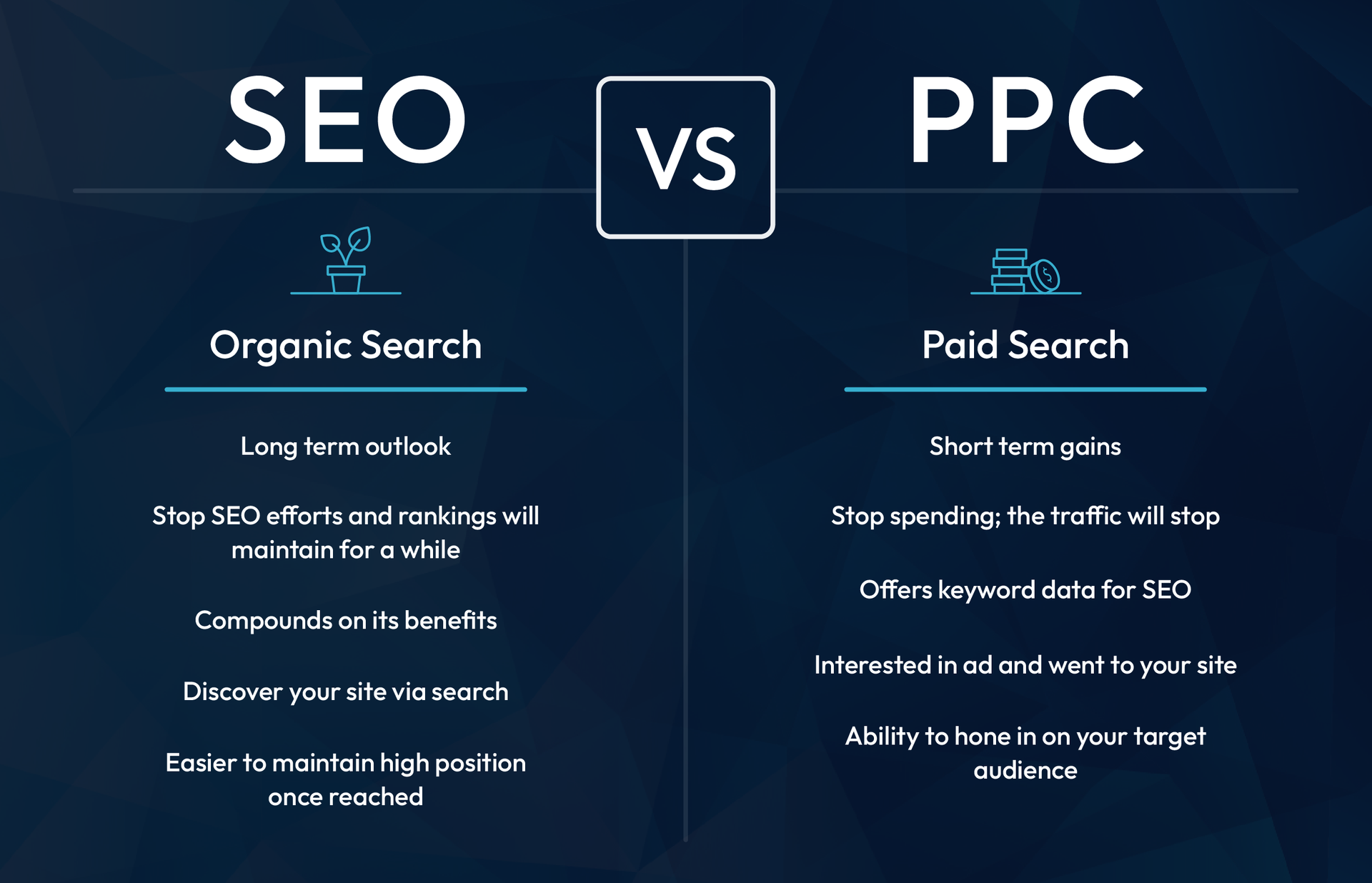
Integrating these strategies within a holistic internet marketing approach ensures a comprehensive outreach strategy tailored to diverse business needs.
What is the ROI of Search Engine Optimization?
“What can I expect out of this investment?”. The ROI of SEO is the most common concern when new clients learn about search engine optimization! E-commerce retailers have it easy because today’s tracking software makes it a breeze to connect the dots between specific pages and the direct revenue generated by each marketing channel. Return on investment for lead, or service-based companies varies because specific website engagements must be tracked and cross-referenced with actual sales information to determine the revenue generated by SEO.
Great SEO companies have processes in place to help you track new leads and connect them to the work they’re doing, which will provide you with a more accurate picture of what kind of return you’re seeing through the strategy. Great SEOs also know that the end goal of their strategy should be revenue, not keyword rankings and website traffic!
How to
Calculate the ROI of SEO for Your Business
Use the following formula to calculate your SEO ROI:
(Revenue generated from organic traffic - SEO costs) / SEO costs x 100%
For example: if a local accounting firm closed a deal from an organic lead worth $75k, and they invested $28.8k in their SEO strategy this past year. The calculation would be: (75,000 - 28,800) / 28,800 x 100% = 160.40%. This suggests that for every $1 the accounting firm invested in SEO, they generated $1.60 in revenue from organic search!
Industry leaders suggest a healthy e-commerce SEO ROI is $2.75 for every dollar spent, or a 275% ROI. For non-e-commerce industries, communicating closed leads from organic search with your SEO team is crucial to determining your ROI. All of the needed metrics for SEO ROI can be tracked through platforms like Google Analytics and Google Search Console.
It's important to remember that SEO is a long-term investment. On average it takes 4-6 months to start seeing results, and the ROI can vary greatly depending on your industry, niche, and competition level. However, a well-executed SEO strategy can deliver a high ROI over time, making it a valuable investment for businesses of all sizes.
Frequently Asked SEO Service Questions
Got lots of questions? Check out our
15 common SEO questions guide.
How do I track my SEO progress?
Track factors like organic traffic growth, keyword rankings, and website conversions to gauge the effectiveness of your SEO efforts.
Can you guarantee top rankings?
No reputable SEO provider can guarantee specific rankings as search engines update algorithms frequently. Ethical SEO focuses on long-term improvement, not quick fixes. If you’ve been promised #1 rankings; run.
How much should I budget for SEO?
Costs vary based on your industry, competition, and the SEO agency. Expect to invest hundreds to thousands of dollars per month for ongoing SEO services.
When can I stop using SEO?
Businesses stop using SEO services for reasons like poor results, bad service, budget cuts, or leadership changes. While continuous SEO is ideal, stopping isn't inherently wrong. After research, you can switch providers or manage SEO in-house, but consider potential setbacks and discuss concerns with your current company before making a decision.
How long does it take for SEO services to work?
So,
how long does SEO take to work? Typically, it takes between 4-6 months to see visible results from SEO. In some industries, it might take up to a year as SEO is a long-term strategy and not a quick fix. After all, if it was easy, everyone would be ranking #1!
How do I choose the best SEO agency?
Look for agencies with a proven track record, transparency, and clear communication, and ensure they use ethical "white-hat" SEO practices.
How long do I need to pay for SEO Services?
Paying for SEO is an ongoing investment for sustained results. How long you stay in the game depends on desired outcomes, competition level, and chosen strategy. We would recommend pausing if you:
- Are unhappy with results: Discuss concerns with your provider or seek a new one after a reasonable trial period.
- Have budget constraints: Explore alternative strategies or pause temporarily, knowing you might see a decline in organic traffic.
- Develop in-house expertise: Consider halting services if you can confidently manage your own SEO efforts in-house.
Openly communicating with your SEO provider is key. If they want what’s best for your business they’ll support where you want to take it (even if that means parting ways).
What SEO provider is better; agency, freelancer, or consultant?
Choosing between an agency, freelancer, or consultant for your SEO needs depends on your specific situation and priorities. Here's a quick pros/cons list to help you decide:
SEO Agency:
Pros: Offers extensive expertise, diverse resources, and proven track record. Can handle complex projects and provide a comprehensive SEO strategy.
Cons: Can be more expensive than individual providers and might require longer turnaround times due to internal processes.
SEO Freelancer:
Pros: Often more affordable than agencies and can offer flexible engagement options. Can be highly specialized in specific SEO areas.
Cons: May have limited resources and expertise compared to agencies. Requires you to manage communication and deliverables directly.
SEO Consultant:
Pros: Provides expert guidance and personalized recommendations. Can act as an independent advisor and help you evaluate existing SEO efforts.
Cons: May not have the same SEO experience as agencies or freelancers and might advise in a more general and less nuanced manor.
When selecting the best SEO provider it's important that you consider finding a strategist that aligns with your specific needs, budget, and level of desired involvement. It's worth researching and comparing different options before making a decision.
Is SEO worth the investment?
Whether paying for SEO services is worth it for your business depends on your specific needs, goals, and budget. Here's a quick checklist:
SEO can be worth it if:
- You are prepared to invest in the long-term growth of your website
- You lack the time or expertise to manage SEO yourself
- Your website struggles with low organic traffic or poor rankings
- You aim to increase website visibility, leads, and sales
SEO might not be right for you if:
- You have a very limited budget
- You are not committed to investing in SEO long-term (3+ years)
- Your business is in dire need of revenue. SEO does not solve short-term revenue needs.
Can I do SEO on my own vs. buying SEO services?
DIY SEO requires significant time and knowledge. Hiring an agency can save you time, expedite results, and ultimately shorten the timeline of increased revenue.
Here is a brief pros/cons list for DIY vs Professional SEO:
The Pros Doing SEO yourself:
- Cost-effective: Saves you the cost of hiring an SEO provider
- Increased control: You have full control over your SEO strategy and implementation
The Cons of Doing SEO Yourself:
- Steeper learning curve: Requires significant time and effort to learn and stay updated on SEO best practices
- Limited expertise: May lack the in-depth knowledge and experience of a professional SEO provider
- Time commitment: Managing SEO effectively can be time-consuming, especially alongside other business responsibilities
The Pros of Hiring an SEO Service Provider:
- Faster results: Leverage their expertise and resources to see quicker improvements
- Increased expertise: Benefit from professional knowledge and experience in various SEO tactics
- Frees up your time: Focus on other aspects of your business while they handle your SEO efforts
The Cons of Hiring and SEO Service Provider:
- Cost: Requires investment in an SEO provider's services, which - depending on your marketing budget - might be more than is currently budgeted
- Loss of control: You relinquish some control over your SEO strategy, relying on the provider's expertise
Contact Us
Enhance your online visibility.
What are SEO Services Contact Form
We will get back to you as soon as possible.
Please try again later.
By checking the box above, you consent to receive informational SMS and appointment/meeting reminders from RivalMind at the phone number provided. Msg & data rates may apply. Msg frequency varies. Unsubscribe at any time by replying STOP. Reply HELP for help. Consent is not a condition of purchase. Privacy Policy & Terms.