What is the Importance of Backlinks for SEO?
If you spend enough time reading SEO advice, you'll eventually hear two completely opposite opinions. One group insists backlinks are the single most important ranking factor. The other claims Google has evolved beyond links altogether.
Neither is true.
Backlinks are still one of Google's strongest signals of trust—but not because they're simply "votes." They're evidence. They help search engines answer a much harder question:
Why should this page be trusted over the thousands of others covering the exact same topic?
That's why businesses with fewer backlinks sometimes outrank competitors with hundreds more. Google isn't just counting links anymore. It's evaluating what those links actually say about your authority, relevance, and reputation.
Understanding that distinction changes the way you think about
SEO.
What Are Backlinks?
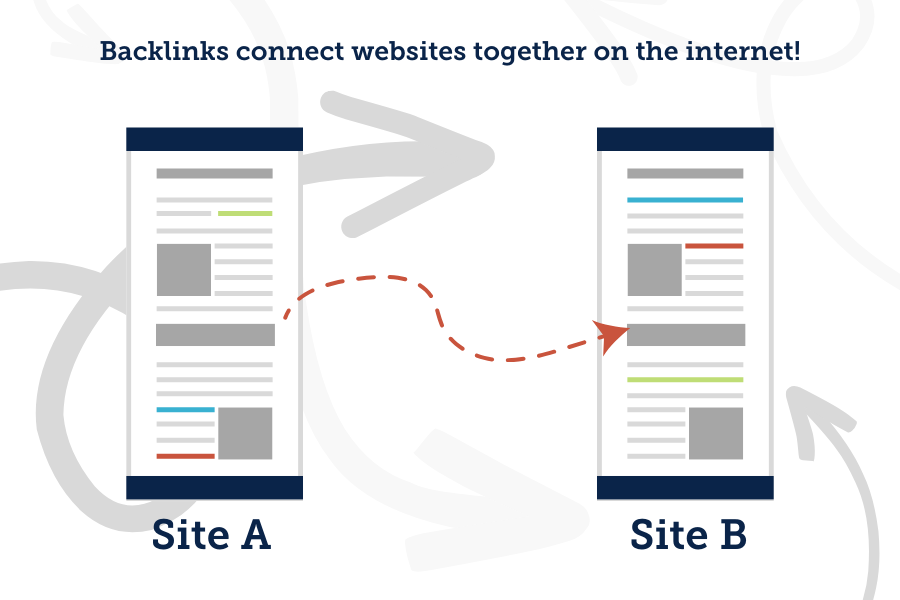
A backlink is simply a link from one website to another. If another website links to a page on your site, you've earned a backlink. You may also hear them called inbound links or incoming links.
But backlinks weren't created for SEO.
They're a natural part of how the internet works.
Every time a journalist cites a source, a blogger recommends a tool, or an industry publication references helpful research, they're creating connections that help readers find reliable information. Google simply uses those same connections as signals when evaluating which pages deserve visibility.
Think of backlinks as independent references.
When multiple reputable websites choose to point readers toward the same resource, they're making a public editorial decision. They're saying, "This page adds value to the conversation." One link alone may not mean much. But when dozens of trusted websites independently reach the same conclusion, a pattern begins to emerge—and that's exactly what Google's algorithms are designed to recognize.
Why Are Backlinks Important for SEO?
Google can't interview every business, fact-check every article, or personally verify every claim published online.
Instead, it looks for signals that reduce uncertainty.
Backlinks are one of the strongest signals available because they're difficult to fake at scale and often require another website to make an intentional decision to reference your content.
Imagine two companies publish nearly identical guides on local SEO.
Both are well-written.
Both answer the same questions.
Both load quickly and provide a good user experience.
How does Google decide which deserves the top position?
This is where backlinks become valuable.
If respected marketing websites, industry organizations, and trusted publications consistently reference one guide while the other receives little attention, Google has evidence that one resource has earned credibility beyond its own website.
That evidence influences several areas of SEO.
They Build Authority
Authority isn't something you claim—it's something that's earned.
Every quality backlink acts as independent validation that your content is worth referencing. Over time, those endorsements help establish your website as a credible source within your industry.
They Improve Search Visibility
Backlinks remain one of the signals Google uses to evaluate which pages deserve higher rankings.
They're rarely the only reason a page performs well, but in competitive industries, backlinks often become the difference between a page that ranks on the first page and one that never gets seen.
They Drive Qualified Traffic
Not every backlink helps because of SEO.
Sometimes the greatest value comes from the people clicking it.
When readers discover your business through an industry publication, trade association, partner website, or respected blog, they're arriving with context and intent. That referral traffic can generate leads, customers, and brand awareness independent of search rankings.
They Help Search Engines Discover Content
Search engines discover content by following links across the web.
When authoritative websites point toward new pages on your site, they create pathways that help search engines find, crawl, and evaluate your content more efficiently.
What Makes a High-Quality Backlink?
One of the biggest misconceptions in SEO is that backlinks are a numbers game.
They aren't.
Google stopped rewarding sheer volume years ago.
Today, context matters far more than quantity. A single mention from an established industry publication can be significantly more valuable than dozens of links from unrelated or low-quality websites.
Several factors influence the value of a backlink.
Relevance
The best backlinks come from websites covering similar topics or serving related audiences.
A marketing publication linking to an SEO guide makes sense. A random website with no connection to digital marketing doesn't provide the same context or credibility.
Google evaluates those relationships because relevant recommendations tend to be more meaningful than unrelated ones.
Authority of the Linking Website
Not every website carries the same level of trust.
Links from organizations with established reputations, respected publications, universities, or recognized industry leaders generally have more influence than links from websites with little authority or history.
Credibility is often reflected in the company you keep.
Placement Within the Content
Where a link appears matters.
A backlink naturally included within the body of an article typically carries more value than one buried in a footer, sidebar, or long list of unrelated links.
Editorial placement signals that the link genuinely supports the surrounding content rather than existing solely for SEO purposes.
Anchor Text
Anchor text is the clickable text readers use to follow a link.
Descriptive anchor text helps both readers and search engines understand what they'll find after clicking. At the same time, it should read naturally within the sentence rather than feeling forced or over-optimized.
Follow vs. Nofollow Links
Some backlinks pass ranking signals to the linked website. Others include attributes that tell search engines not to transfer those signals.
While follow links generally have a greater direct impact on rankings, nofollow links can still provide meaningful value by generating referral traffic, increasing visibility, and exposing your brand to new audiences.

What Google Is Really Measuring
It's easy to think Google rewards backlinks.
That's not quite what's happening.
Google is trying to measure trust.
Backlinks are simply one of the clearest ways that trust becomes visible.
If respected websites consistently reference your content, that's evidence you've created something useful enough for others to stand behind publicly. The backlink itself isn't the goal. It's the byproduct of producing content people genuinely want to recommend.
That's an important distinction because it changes your
strategy.
Instead of asking, "How do we get more backlinks?", the better question becomes:
"What can we create that people naturally want to reference?"
Businesses that answer that question well tend to earn stronger backlinks over time.
Types of Backlinks
Backlinks can come from many different sources, but some carry more value than others because of how they're earned.
Editorial Backlinks
Editorial backlinks happen naturally when another website references your content because it improves their own.
These are often considered the most valuable backlinks because they're based on merit rather than exchange. Journalists, publishers, bloggers, and industry experts choose to cite your work because it helps explain a topic or supports a claim.
Guest Post Backlinks
Guest posting involves contributing valuable content to another reputable website.
Done thoughtfully, it helps you share expertise with a new audience while earning relevant backlinks from established industry publications.
The emphasis should always be on contributing useful insights—not simply acquiring links.
Directory and Resource Page Links
Directories and curated resource pages can provide valuable context about your business, especially when they're industry-specific or locally relevant.
While they may not carry the same weight as editorial mentions, quality directories can still support visibility and credibility.
Digital PR and Media Mentions
When journalists quote your expertise, reference your research, or feature your company in a story, those mentions often generate some of the strongest backlinks available.
They're also among the hardest to earn—which is precisely why they're valuable.
Social and Community Links
Links shared through social media, forums, and online communities typically don't pass the same ranking signals as editorial backlinks.
Even so, they can introduce your content to larger audiences, spark conversations, and create opportunities for additional backlinks down the road.
How to Earn High-Quality Backlinks
The businesses with the strongest backlink profiles usually aren't chasing backlinks every day.
They're creating reasons for people to link to them.
Here are a few strategies that consistently produce long-term results.
Publish Original, Useful Content
Original research, in-depth guides, data studies, calculators, templates, and comprehensive resources naturally attract references because they provide something others can't easily recreate.
The more useful your content becomes, the easier it is for others to cite it.
Become a Trusted Industry Resource
Companies that consistently share expertise become the businesses journalists, bloggers, and publishers remember when they need a reliable source.
Authority compounds over time.
Build Genuine Relationships
Many valuable backlinks begin as professional relationships.
Partners, vendors, associations, local organizations, and industry peers often create opportunities for meaningful mentions that make sense for everyone involved.
Invest in Digital PR
Original insights, company data, expert commentary, and newsworthy stories can generate coverage from respected publications that strengthen both your brand and your backlink profile.
Are Backlinks Still Important for SEO?
Yes, but not for the reasons they were a decade ago.
Every few years, someone declares backlinks "dead."
Usually they're reacting to a Google update that reduced the impact of spammy link-building tactics.
That's very different from saying backlinks no longer matter.
Google has become dramatically better at evaluating **which** links deserve attention—not less interested in links altogether.
Think about how people make decisions in everyday life.

If one mechanic is recommended by dozens of trusted friends while another has no recommendations at all, those endorsements shape your confidence before you've ever visited either shop.
Search engines work in much the same way.
They're looking for independent confirmation that your business deserves visibility.
Backlinks remain one of the strongest ways to provide that confirmation.
The businesses seeing long-term SEO success today aren't buying links or chasing shortcuts. They're creating content worth citing, building genuine authority within their industries, and earning the trust of other respected websites.
That's a strategy Google continues to reward.
Strengthen Your SEO Strategy
Backlinks are an important part of SEO, but they're only one piece of a much larger picture.
Strong search performance comes from building a website people trust, through exceptional content, technical optimization, a great user experience, and a reputation that extends beyond your own domain.
At
RivalMind, we help businesses build that foundation through thoughtful
SEO strategy, authoritative content, and sustainable link-building that supports long-term growth.
Because the businesses that consistently earn the best backlinks usually aren't focused on backlinks at all.
They're focused on becoming the resource everyone else wants to reference.

Meet the Author
Andy Francis
Director of Search Marketing
As Senior Search Manager at RivalMind, Andy drives search strategy across both SEO and paid media channels. He partners closely with clients to understand their objectives, uncover growth opportunities, and design performance-focused campaigns that deliver measurable results. Within the team, Andy is a trusted resource who offers strategic guidance, shares insights, and fosters the development of others’ expertise.
Specialties: Good Analytic Instincts, Tears it up on the guitar, Pup-lover
Looking for more organic website traffic?
Welcome to RivalMind. Our purpose is to help your business thrive. We are a digital marketing agency that offers SEO, PPC, Web Design, Social Media and Video Solutions as tools to our clients for online business development and growth.
Contact us today to get started!
Blog Contact Form
We will get back to you as soon as possible.
Please try again later.