Can You Optimize a Duda Website For SEO? A Comprehensive How-To
In the ever-changing world of online marketing, putting together a website that not only reflects your brand's personality but also gets love from search engine bots can be tricky to say the least.
In this article, I'm calling attention to the Duda platform's excellent SEO features, which make my job as a strategic marketer a breeze. Ultimately, can you
optimize a Duda website for SEO? Short answer, yes; and in some cases, better than other platforms.
The platform's nuanced capabilities, from its handling of SEO metadata to the seamless integration of schema markup, and low-effort design capabilities allows the RivalMind team to drive home a full-scale SEO strategy, while still allowing our clients to have ownership of their sites and feel comfortable making updates and modifications on their own.
Master SEO Metadata and HTML Markup on Duda
Duda's platform offers complete control of a multitude of metadata and technical SEO-related elements, giving you total access to shape the on-page data for any
SEO strategy.
In the editor, gain access to:
- Title Tags
- Header H Tags
- Meta description Tags
- Image Alt attributes
- Image Title and Description Tags
- Meta Robots attributes - Index/NoIndex & Follow/NoFollow
- Meta Keywords attributes (yes, even those)
- Open Graph Tags
- 301 Redirection
Edit advanced SEO elements at the code level:
- Upload Custom Robots.txt File
- Upload Custom XML Sitemap (allowing you to ignore the automated version)
- Schema Markup
- Image and Header Markup
Optimize the URLs of Pages and Blog Articles
Enhance Core Web Vitals and PageSpeed Metrics
To achieve this:
- Duda sites are rendered completely on the server side, which improves loading times, crawling and indexation, and provides a more seamless mobile experience with better accessibility.
- Images are automatically duplicated up to five times, compressed, and optimized for multiple screen sizes to enhance load times.
- Duda sites utilize Amazon's Cloudfront CDN to improve caching for local devices and decrease load times.
These technical refinements are essential for any competitive SEO strategy, demanding ongoing analysis and tactical adjustments.
How to Implement Schema Markup on Duda
Implementing schema markup requires an analytical approach that meticulously details the types of content presented on a website, thereby enhancing communication with search engines and improving content visibility.
This process involves selecting the most relevant schema types—such as LocalBusiness, Product, Article, or Event—based on the content's nature. It is crucial to analyze the content structure to identify key elements for schema properties, ensuring accurate and complete data provision.
Schema implementation is about maximizing the potential for rich snippets in search results, which can lead to higher click-through rates. Detail-oriented scripting must be applied to embed the correct schema vocabulary directly into the site's HTML. By doing so, developers and SEO specialists ensure that every piece of content is primed for optimal search engine understanding and user discovery.
The Duda platform has already automated a handful of Schema markup types to make SEOs lives simpler:
- Videos
- LocalBusiness
- Article
- FAQ (not supported by Google any longer)
- Products
Where automated schema markup is not applied, the Duda platform offers an extremely simple solution to inject any code you develop on your own through HTML widgets! Here are a couple of my favorite free tools for generating Schema for SEO:
Rank Ranger's Schema Generator and
Merkle's Schema Generator
Get a free SEO health scan of your Duda website!
Receive a comprehensive report covering 140 unique data points about your website's technical SEO health in 24 hours or less!
Duda Dojo CTA Banner
We will get back to you as soon as possible.
Please try again later.
Free SSL Certificates and Automatic HTTPS Protocol with Duda
What is an SSL?
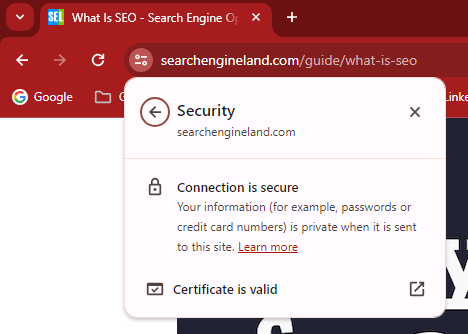
An SSL (Secure Sockets Layer) is a standard security technology that establishes an encrypted link between a web server and your internet browser (like Chrome or Firefox). This ensures that all data passed between the web server and browsers remain private and secure.
Here's why it's important:
- Encryption: SSL encrypts the data exchanged, which means any sensitive information (like credit card numbers, login credentials, and personal data) is scrambled into an unreadable format. This protects against eavesdropping and tampering by malicious actors.
- Authentication: SSL certificates provide authentication, ensuring that users are talking to the intended server and not a malicious imposter. This helps prevent man-in-the-middle attacks.
- Trust: Websites with SSL display a padlock icon or "https://" in the address bar, signaling to users that the connection is secure. This increases user trust, which is especially crucial for e-commerce and sites handling sensitive data.
The SSL is fundamental for securing internet connections, protecting users' data, building trust, and enhancing SEO efforts. As cyber threats evolve, having an SSL is not just an option but a necessity for any website that values security and user trust.
The Benefits of Duda's CDN For SEO
The Duda platform utilizes the Amazon Cloudfront CDN, which strategically distributes your content across multiple servers, significantly reducing website load times, enhancing user experience and SEO performance. This network ensures that content is served from the closest geographical server to the user, minimizing delays and speeding up the delivery of web pages.
The impact of a CDN on SEO is multifaceted:
- Optimized Speed: Faster load times improve bounce rates and encourage longer user sessions.
- Scalability: Efficiently handles traffic spikes without compromising performance.
- Reliability:
Reduces the risk of site downtime, which can negatively affect search rankings.

Optimize Your Duda Site For Mobile Users
To effectively optimize your website for mobile users, there are several key areas to focus on:
- Responsive Design : Adopt a responsive web design that automatically adjusts to the screen size and orientation of the user's device. This provides a seamless experience and ensures that the content is displayed correctly on different devices.
- Speed Optimization : Prioritize page speed by implementing techniques such as compressing images, leveraging browser caching, and minimizing code. These actions help reduce load times and improve the overall user experience.
- Touchscreen Navigation : Ensure that all interactive elements on the website are easily clickable and navigable on touchscreen devices. This includes providing sufficient spacing and size for user convenience and avoiding any elements that are too small or difficult to interact with.
Key Takeaways
Duda's platform enables the construction and maintenance of "SEOed" websites through its litany of easy-to-use features. The platform's engineers are constantly advancing the system's stability and capabilities with new updates almost every week! They also realizes that Duda CMS users are their most valuable asset. The Idea Board allows Duda users to submit suggestions for new features with a voting system so the engineering team can gauge demand for new ideas. This leads to an AMAZING list of functionality that's constantly being curated by the people who use the platform the most!
Looking for more organic website traffic?
Welcome to RivalMind. Our purpose is to help your business thrive. We are a digital marketing agency that offers SEO, PPC, Web Design, Social Media and Video Solutions as tools to our clients for online business development and growth.
Contact us today to get started!
Blog Contact Form
We will get back to you as soon as possible.
Please try again later.